Color and Light Experiments with a DIY Light Box
This post may contain affiliate links.
Looking for an exciting way to explore color, light, reflection, and refraction? This DIY Light Box turns an ordinary shoebox into a hands-on science laboratory where kids can experiment with prisms, mirrors, colored filters, and light beams.
This project is a fantastic STEM activity for kids because it combines engineering, physics, creativity, and scientific observation all in one simple setup.
My kids were absolutely fascinated by the colorful light patterns and rainbow effects we created!

What Does This Experiment Teach?
This light box helps children explore important science concepts including:
- Reflection
- Refraction
- Color mixing
- Light transmission
- Optics
- Scientific observation
As kids experiment, they’ll discover how light changes direction, bends through prisms, reflects from mirrors, and creates new colors when filters are combined.
What Is Reflection?
Reflection happens when light bounces off a surface.
Mirrors are excellent examples of reflective surfaces because they bounce most of the light that hits them.
What Is Refraction?
Refraction occurs when light bends as it passes through a different material.
Prisms are a perfect example. As light enters and exits the prism, it changes speed and bends, separating white light into the colors of the rainbow.
Supplies Needed
- Shoebox
- Colored Cellophane
- Prisms
- Small mirrors
- Popsicle sticks
- Tape
- Scissors
- Light Bulb and portable cord to attach it
How to Make the Light Box
Step 1: Prepare the Box
I covered my shoebox with black paper to reduce outside light and make the colors stand out more. This step is optional but creates a nice effect.
Step 2: Add the Light Opening
Cut an opening on one end of the box for your light source.
Make sure the light is positioned securely and does not touch the sides of the box.
Step 3: Create a Filter Window
Cut a square opening on the opposite side of the box. This is where you’ll slide different colored filters and experiment cards.
How to Make Colored Light Filters
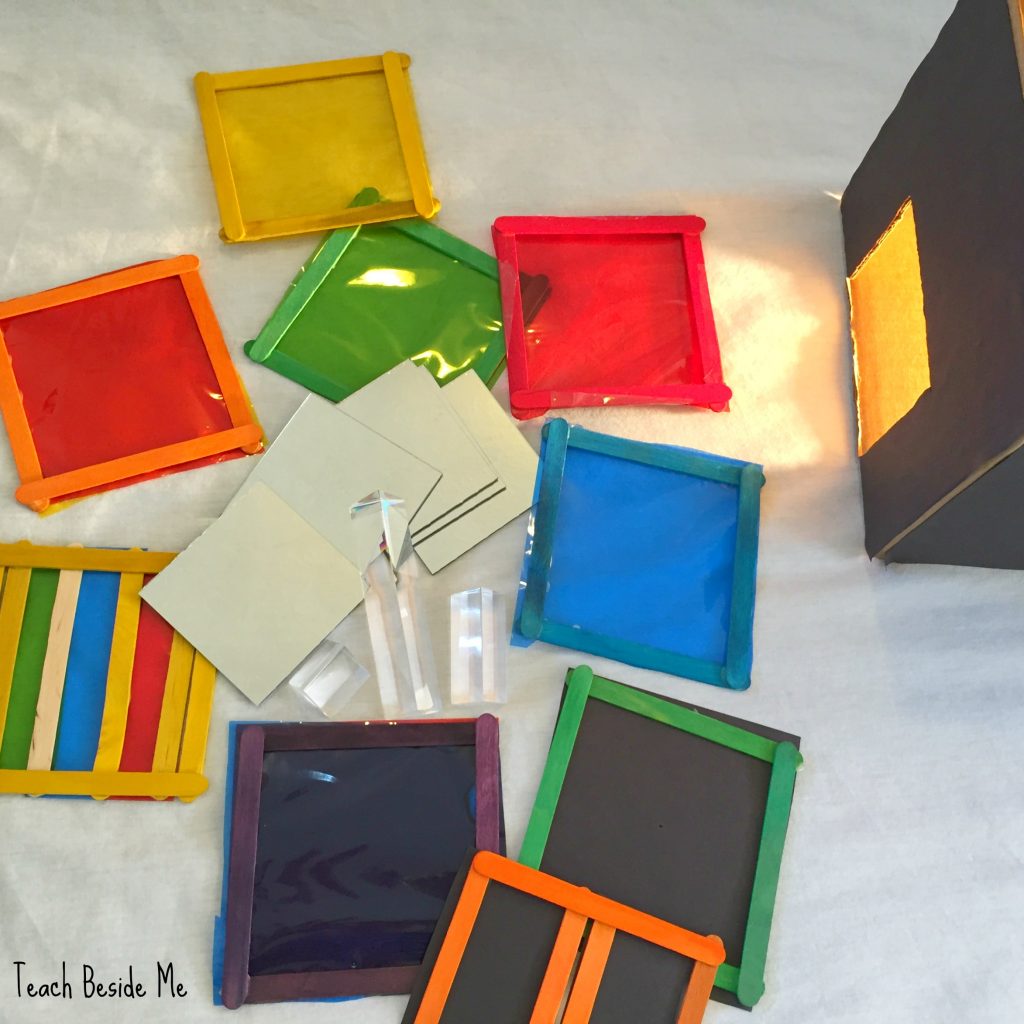
We created several different filter designs using popsicle sticks and colored cellophane.

Single-Color Filters
Create a square frame with popsicle sticks and glue.
Once dry, tape colored cellophane to the back.
Try:
- Red
- Blue
- Yellow
- Green
Layered Color Filters
Experiment by layering two colors together.
For example:
- Red + Blue = Purple
- Yellow + Red = Orange

Multi-Color Filter
Divide the frame into sections using additional popsicle sticks.
Cover each section with a different color of cellophane.
This creates some amazing effects when used with prisms.
Pinhole and Slit Filters
Cut a small slit or hole into black paper.
These help create focused beams of light for prism and mirror experiments.
Color and Light Experiments to Try
Turn off the lights and find a dark room for the best results.
Place a white sheet or poster board under your experiments to help the colors stand out.
Experiment #1: Prism Rainbow
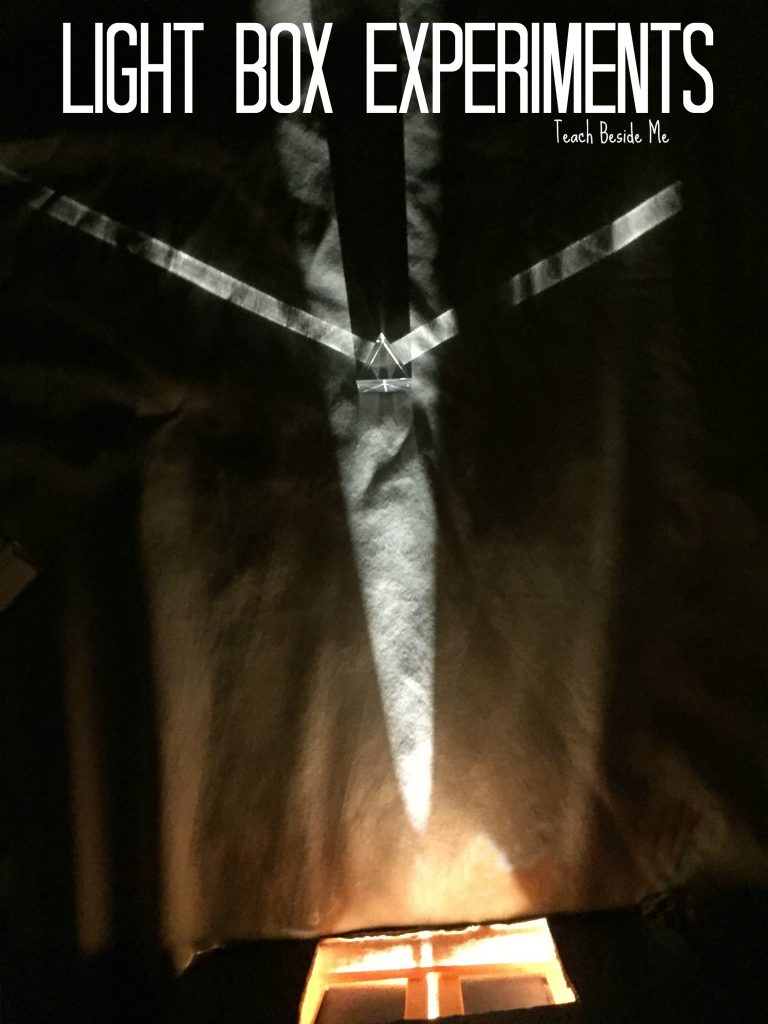
Insert the slit filter and shine light through a prism.
Observe:
- How does the light change?
- Can you see the colors of the rainbow?
- What happens when you rotate the prism?
The prism bends the light and separates it into its individual colors.
Experiment #2: Color Mixing with Light
Use different colored filters and overlap the light beams.
Questions to investigate:
- What happens when red and blue overlap?
- Which colors make green?
- Does mixing light work the same as mixing paint?
Experiment #3: Mirror Reflections
Use small mirrors to bounce the light around the room.
Can you:
- Turn the light around a corner?
- Hit a target with the beam?
- Create multiple reflections?
This demonstrates reflection in action.

Experiment #4: Multi-Color Prism Exploration
Our favorite setup used the multi-colored filter and several prisms.
The different colored sections created beautiful light patterns and helped us observe how colors behaved differently when passing through the prisms.
This was by far the experiment my kids wanted to repeat over and over again.
Make a Prediction
Before each experiment, ask:
- What do you think will happen?
- Which filter will let through the most light?
- Which color will be brightest?
- What will happen when colors overlap?
Recording predictions is a great way to practice scientific thinking.
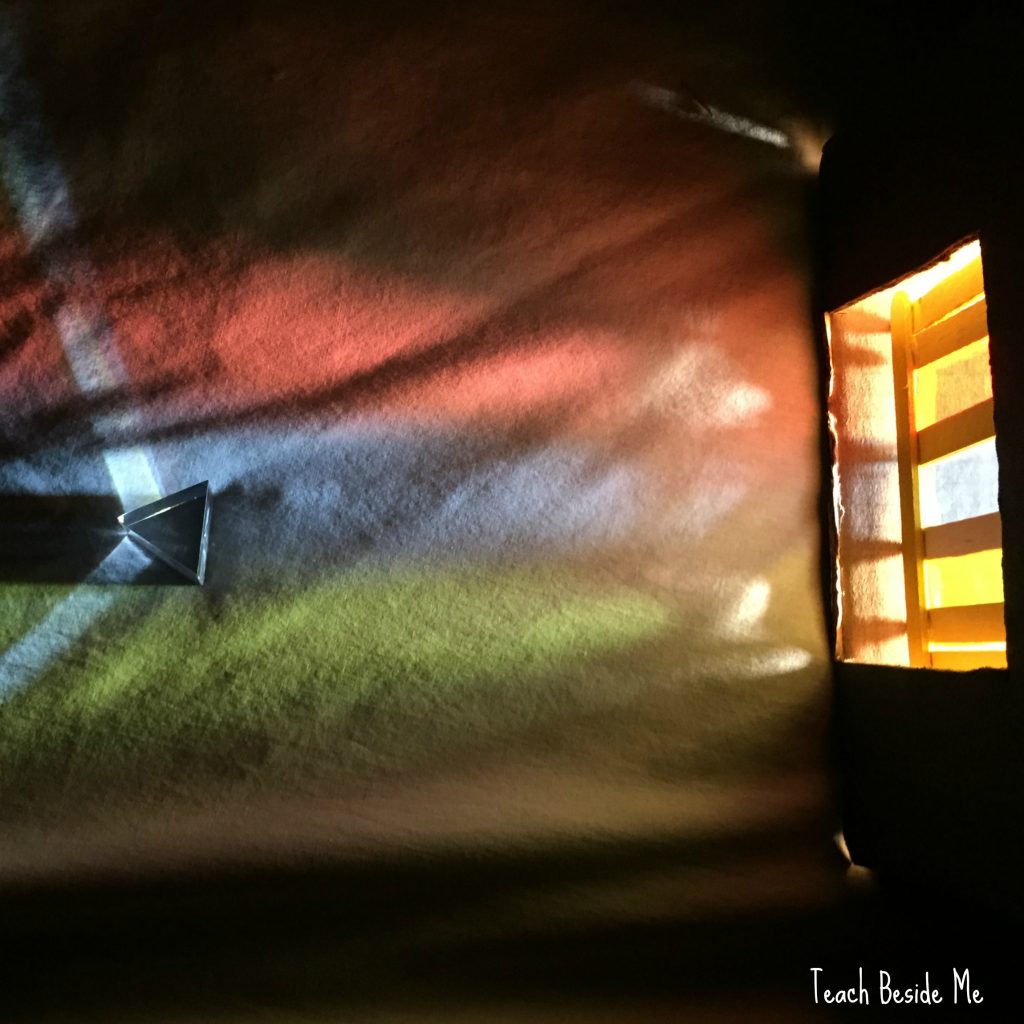
As you can see that seems to be what we played with the most!

Science Vocabulary to Learn
- Reflection- Light bouncing off a surface.
- Refraction- Light bending as it passes through a material.
- Prism- A transparent object that bends light.
- Spectrum- The rainbow of colors found in white light.
- Transmission- Light passing through an object.
STEM Challenge Ideas
Challenge kids to:
- Make a rainbow.
- Turn light around a corner.
- Hit a target with reflected light.
- Create a new color using filters.
- Build the longest path using mirrors.
Extend the Learning
Try experimenting with:
- Transparent materials
- Translucent materials
- Colored plastic cups
- Leaves and flowers
- Crystals
- Colored water
Compare how each material changes the light.
Download the STEM Lab Sheet
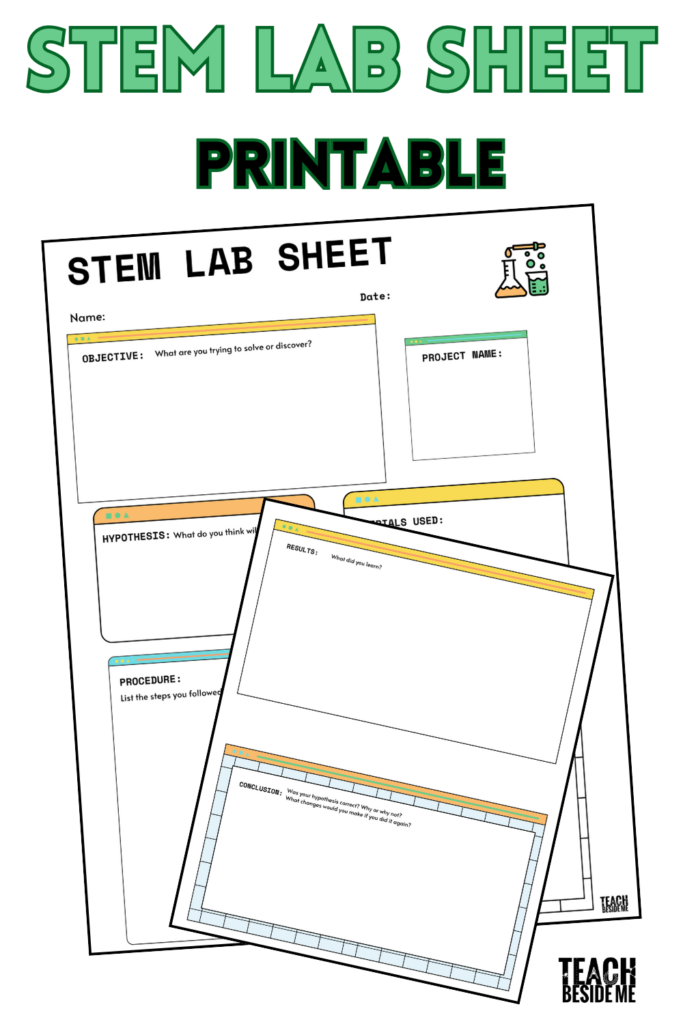
Use our STEM Lab Sheet to record:
- Predictions
- Observations
- Drawings
- Conclusions
This simple addition turns the activity into a complete science lesson.
More Light and Color Activities
If your kids enjoyed these light experiments, try:
- Color Mixing with Light
- Color Mixing with Play Dough!
- Rainbow Color Mixing In Bubble Wrap
- Shadow Drawing: Make a Human Sundial
Light is all around us, and this simple DIY Light Box makes it easy to explore the science behind the colors and effects we see every day. It’s one of our favorite hands-on ways to investigate optics, color theory, and the fascinating behavior of light.

Take STEM learning beyond the experiment!
My Science Art Book features dozens of creative projects that combine science and art into one exciting learning experience. From colorful reactions and nature-inspired creations to engineering challenges and physics-based art, it’s the perfect resource for curious kids who love to create.



Can I use a normal mirror for the experiment? I could not find any prisms in my country 🙁
You can use mirrors, but they won’t bend the light in the same was as a prism. It can still be fun, though!
Thank u for the reply
What is the conclusion? I need it for the science project.
what is the conclusion of this experiment?
how do you make the box?
It is just a cardboard box covered in black paper.
What does this teach the children? What are we trying to get them to understand?
I don’t have colored cellophane. Will Tissue Paper work?
I think it would! It’s worth a try.